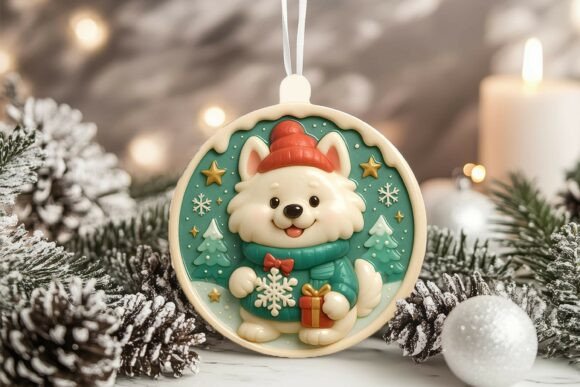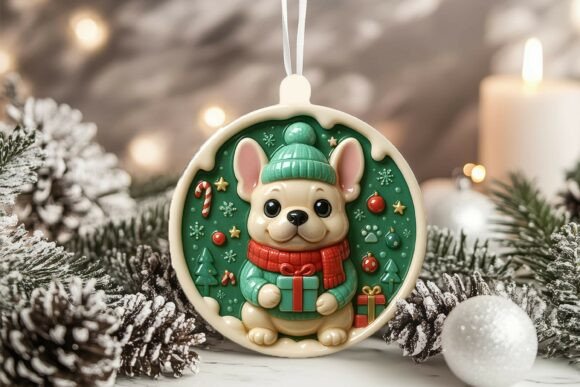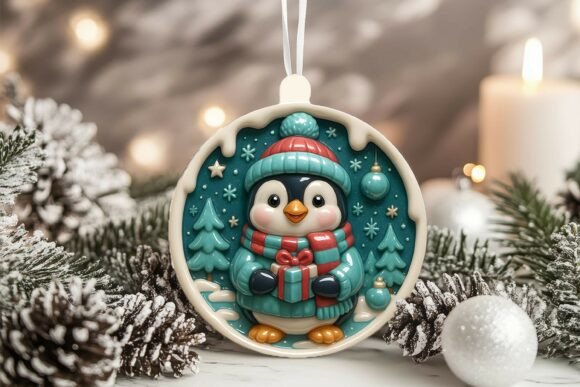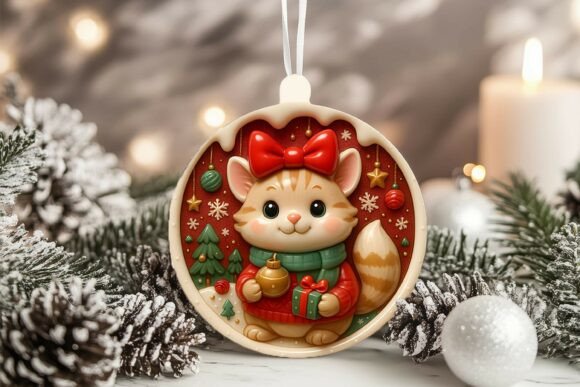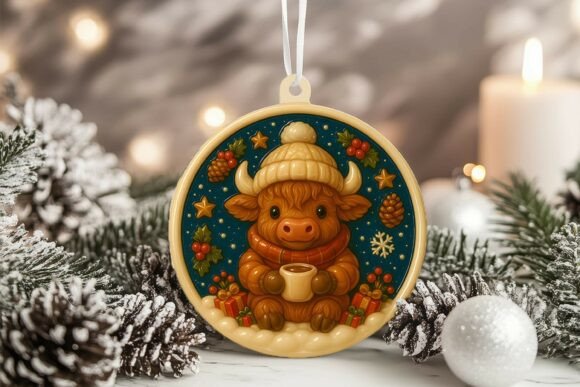
Review: 3D Porcelain Highland Cow Xmas Ornament
As a designer who spends more time than I care to admit staring at stitch lines and fabric textures, I approach every new digital asset with a mix of optimism and skepticism. The holiday season is approaching, which means my inbox is flooding with requests for "cute," "cozy," and "high-quality" embroidery designs. One file that has caught my eye recently is the 3D Porcelain Highland Cow Xmas Ornament. At first glance, it looks like a standard festive graphic, but when you dig into how this Illustrations category item translates from screen to hoop, things get interesting.
I pulled this design down not just to look at it, but to test its viability for real-world application. Whether you are an Etsy seller looking to boost your Q4 revenue, a boutique owner curating holiday gifts, or a hobbyist wanting to make a unique keepsake, understanding the practical limitations and strengths of a machine embroidery design is crucial. Here is my honest breakdown of how the 3D Porcelain Highland Cow Xmas Ornament performs in actual production scenarios.
First Impressions: Mood and Visual Personality
The moment you load this embroidery file, the aesthetic is immediately clear. It leans heavily into the "hygge" vibe—warm, rustic, and distinctly Scottish-inspired thanks to the iconic shaggy coat of the highland cow. The concept of rendering a furry animal as a smooth, glossy porcelain ornament creates a fascinating textural contrast. In the digital preview, it feels polished and premium. But does that translate to thread?
This is where the design shines. By framing the subject as a circular ornament, the artist has given us a contained composition that is forgiving on the edges. For designers, this is a gift. It means we don’t have to worry about awkward negative space bleeding off the edge of a tote bag or a cap front. The visual personality is playful yet sophisticated enough to sit comfortably in a modern farmhouse-style home decor collection. It bridges the gap between childish cuteness and adult-oriented artisanal goods, making it versatile for a wide range of target audiences.
Real-World Application: Where This Design Belongs
I spent some time mentally mapping out which products would actually benefit from this specific Graphics asset. Not every cute image works on every surface. After analyzing the layout, I see three distinct categories where the 3D Porcelain Highland Cow Xmas Ornament would excel.
- Holiday Apparel and Accessories: This design is perfect for sweatshirt embroidery or cozy knit beanies. The circular shape mimics the classic bauble, making it instantly recognizable as Christmas decor even when stitched onto fabric. Imagine this centered on the chest of a cream-colored sweatshirt with gold metallic thread accents—it screams "boutique quality."
- Home Decor and Kitchen Textiles: Because the motif is inherently decorative, it fits beautifully on tea towels, aprons, and pillow covers. A linen apron with this design embroidered near the pocket could be a bestseller for anyone selling personalized gift sets for housewarmings or weddings. The "porcelain" theme pairs well with ceramic kitchenware, creating a cohesive branding opportunity.
- Small Business Merchandise: For the savvy Etsy seller or craft business owner, this design is ideal for creating low-cost, high-perceived-value items. Think embroidered patches for denim jackets or keychains. The compact nature of the circle makes it easy to produce in bulk without consuming excessive thread or machine time.
The Stitch-Out Reality: Technical Considerations
Here is where we need to get practical. Translating a PNG illustration into a functional embroidery project requires careful planning. The "3D Porcelain" effect relies on smooth gradients and clean lines. In stitching, this usually demands a combination of satin stitch for outlines and precise fill stitch techniques for the body.
If you are using this for commercial embroidery, you must pay attention to stitch density. Highland cows are hairy; if the digitizer tries to replicate every strand of fur with individual stitches, the result will be stiff and bulky. A successful execution likely uses long, sweeping fill stitches to suggest texture rather than render it literally. This keeps the fabric drape intact, which is critical for garments like baby clothes or delicate scarves.
Another technical note involves the background. Since the original graphic is a transparent PNG showing a standalone ornament, you will likely need to add a stabilizing background in your digitizing software unless you are doing appliqué. If you choose to embroider directly onto the fabric, ensure you use a proper stabilizer to prevent puckering, especially if the design includes dense satin borders around the circle.
Where to Exercise Caution
No design is universal, and the 3D Porcelain Highland Cow Xmas Ornament has specific constraints you should respect to maintain professionalism.
- Fabric Texture: Avoid placing this on highly textured fabrics like heavy bouclé wool or thick terry cloth. The fine details of the cow’s face and the glossy highlights of the porcelain effect will get lost. Stick to smooth cottons, linens, or tight-knit blends.
- Small Hoop Sizes: While the circle is compact, if you reduce the size too much (below 2 inches), you risk losing definition. The eyes and nose of the cow might merge into a blur. Always test at your intended final size.
- Dense Stitch Areas: If the design includes heavy shading, be mindful of thread breaks. Using high-quality polyester threads can help, but avoid overloading the design with too many color changes unless your machine handles them reliably.
- Stretchy Fabrics: If you plan to put this on a stretchy jersey or spandex blend, you absolutely must use a tear-away or cut-away stabilizer. Without it, the circular shape may distort into an oval during the stitching process.
Design Tips for Maximum Impact
To get the most out of this asset, I recommend treating it as part of a larger collection. Don’t just stitch it and ship it. Add value through presentation and complementary elements.
Consider adding a small, simple running stitch border or a tiny hanger loop at the top of the ornament to enhance the "bauble" illusion. When selecting thread colors, go for metallics or pearlescent threads for the porcelain shine. A silver or pale gold thread can mimic the glaze effect better than standard cotton floss. Also, always test your thread color contrast against your chosen fabric. On dark fabrics, you may need to add a white underlay to make the colors pop.
For those creating printable mockups or digital product previews, use this design to showcase versatility. Show it on a mug, a shirt, and a card. This helps potential buyers visualize the finished product in their own homes, increasing conversion rates.
Final Verdict
The 3D Porcelain Highland Cow Xmas Ornament is a strong contender for any holiday-focused embroidery project. It strikes a balance between trendy aesthetics and timeless charm. It is not just a novelty item; it is a design element that can elevate a simple piece of fabric into a cherished gift.
However, success lies in the execution. Take the time to test the design on scrap fabric first. Check the hoop size compatibility and inspect the small details closely. Confirm your licensing terms before listing any handmade product for sale. If you treat this asset with the respect it deserves, you will find it to be a reliable workhorse in your seasonal lineup. For the small shop owner or creative entrepreneur looking to add a touch of whimsical elegance to their catalog, this design is definitely worth the investment.