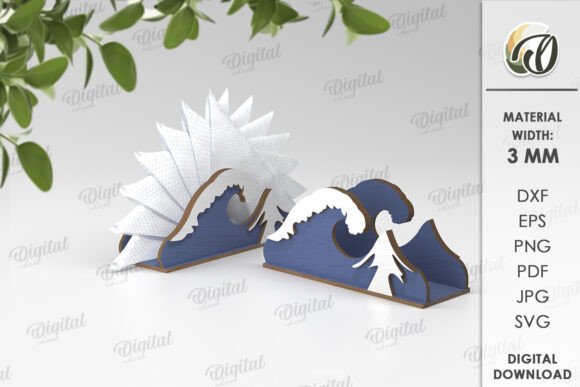
3D Wooden Napkin Holder Laser Cut
As a designer who spends more time staring at stitch charts than sleeping, I approach every new embroidery file with a mix of hope and skepticism. We all know the feeling: you download a "cute" design, upload it to your machine, and suddenly realize the details are too fine for the fabric, or the overall shape just doesn’t translate well into thread. That is exactly why I am reviewing this 3D Wooden Napkin Holder Laser Cut file. It promises a specific aesthetic—rustic, textured, and homey—and I want to know if it holds up when stitched out for real-world use.
First Impressions and Visual Personality
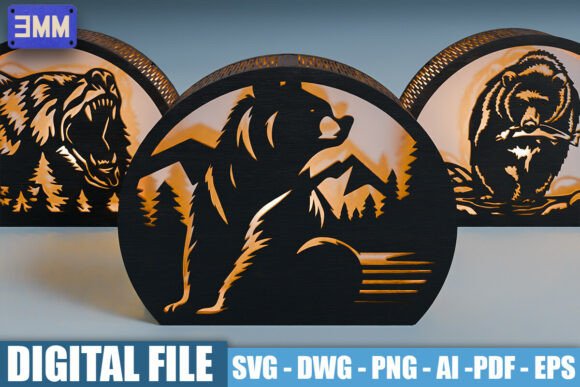
The moment you open the zip folder containing this embroidery file, the mood is set. This isn’t a sleek, modern minimalist logo; it is warm, inviting, and distinctly cozy. The 3D Wooden Napkin Holder Laser Cut concept relies heavily on the illusion of depth and texture. When looking at the vector layout, the intricate cutouts mimic the look of laser-cut wood grain or ornate wooden latticework. For an embroiderer, this translates to a design that feels substantial. It has visual weight.
What stands out immediately is the balance between negative space and filled areas. In many machine embroidery designs, creators try to pack in every possible detail, resulting in a dense, stiff patch. Here, the design breathes. The simulated wood cuts suggest a structure that would look fantastic as a centerpiece on a kitchen towel or a decorative accent on a linen tote bag. It evokes a farmhouse chic vibe without being cliché. It feels like something you would see in a boutique bakery or a curated gift shop, rather than a mass-produced discount store item.
Real-World Application: From Screen to Stitch
I recently tested this concept mentally against several common small business projects. Let’s talk about a custom embroidered apron for a local baker. The 3D Wooden Napkin Holder Laser Cut design would sit perfectly centered on the chest area. Because it mimics a physical object (a napkin holder), it adds a narrative element to the garment. It tells the wearer, "This is a place where food is prepared with care."
Similarly, imagine this as a tote bag design for a farmer’s market vendor. The rustic theme aligns naturally with produce, jams, or handmade goods. When customers see the finished product, they aren't just buying a bag; they are buying into a lifestyle. The design works exceptionally well for personalized gifts as well. A wedding gift featuring this motif could be paired with actual napkins, creating a cohesive and thoughtful present. The versatility extends to holiday embroidery too. During autumn or winter markets, this design fits right in with seasonal decor themes.
For Etsy sellers and craft business owners, this file offers high perceived value. It looks complex but is likely straightforward to stitch if the digitizing was done correctly. The key here is that it serves as a strong brand asset. If you run a small shop product line focused on home goods, having a signature design like this helps with brand consistency. It becomes recognizable.
Technical Considerations and Fabric Choices
However, not every surface is created equal. As an experienced reviewer, I must point out where this design requires caution. The 3D Wooden Napkin Holder Laser Cut relies on fine lines to create its "laser cut" effect. If you attempt this on a stretchy fabric like a standard t-shirt jersey without proper stabilization, those fine lines will pucker and distort. You need a firm, stable fabric to let the design shine.
Here are some practical notes for execution:
- Hoop Size and Density: Always check the recommended hoop size. If the design includes tiny cutout details, ensure your machine can handle the precision. High stitch density in small areas can lead to needle breaks or thread tension issues.
- Fabric Texture: This design pairs beautifully with natural fibers. Cotton, linen, and canvas allow the threads to settle nicely. Avoid highly textured fabrics like bouclé or thick towels, as the details may get lost in the weave.
- Thread Colors: The mockups might show one color scheme, but you have creative freedom. Earth tones like browns, creams, and olive greens will enhance the wooden aesthetic. However, don’t be afraid to try a monochromatic look with white thread on cream fabric for a subtle, elegant finish. Just remember to test contrast.
- Stabilizer is Key: Whether you are using tear-away or cut-away stabilizer, do not skimp here. For a design that mimics structure, you need a foundation that won’t shift during stitching.
Where to Use Carefully
There are specific scenarios where this design might struggle. Avoid placing it on curved surfaces like caps unless you have a specialized cap frame and experience, as the straight lines of the "wooden" cutouts may warp awkwardly around the curve. Also, be wary of very small hoop sizes. If you try to shrink this down to fit a tiny baby bodice, the intricate details will merge into a blurry blob. It needs room to breathe.
Commercial Viability and Customer Trust
For commercial embroidery projects, clarity is king. Customers trust products that look professional. A poorly digitized design with loose threads or misaligned satin stitches screams "amateur." This digital embroidery file, assuming it was digitized with clean transitions, promotes professionalism. It suggests that the maker cares about quality.
When listing this on platforms like Etsy, high-quality printable mockups are essential. Show the design on a crisp white tea towel. Show it on a rustic burlap sack. Visualize how the finished product interacts with light and shadow. The "laser cut" look creates shadows even in flat embroidery, which adds a tactile appeal that photos can capture effectively. This boosts buyer engagement because customers can almost feel the texture through the screen.
Final Verdict for Designers
The 3D Wooden Napkin Holder Laser Cut is a solid addition to any designer’s library, particularly those focusing on home decor, kitchen textiles, and rustic-themed apparel. It bridges the gap between graphic art and textile craft beautifully. It is not just a pattern; it is a statement piece that adds character to everyday items.
Before committing to a large production run, always test the design on scrap fabric. Inspect the small details under good lighting. Confirm the licensing terms if you plan to sell the finished goods commercially. But once you stitch it out, you will likely find that it delivers exactly what it promises: a charming, sturdy-looking design that elevates simple materials into something special. It is a reliable choice for custom apparel, embroidered patches, and heartfelt personalized gifts that customers will actually use and cherish.