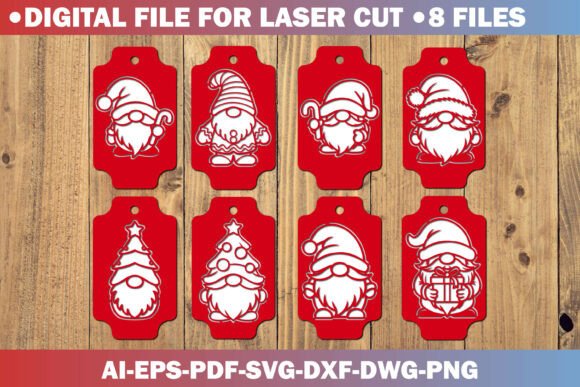
Review: 3D Laser Cut Christmas Gift Tag Embroidery Design
As a designer who spends half my life in the hoop and the other half managing an Etsy shop, I have seen thousands of digital embroidery files. Most are forgettable—generic snowflakes or overused holiday motifs that blend into the background of any craft fair booth. But when 3D Laser Cut Christmas Gift Tag landed on my desk, it stopped me in my tracks. It isn’t just another clipart vector; it is a structural design element that bridges the gap between traditional stitching and modern laser-cut aesthetics.
I am evaluating this file not just as a decorative graphic, but as a viable component for real-world commercial products. Whether you are looking to elevate your boutique branding, create high-end personalized gifts, or simply add a touch of professional polish to your handmade inventory, understanding how this design translates from screen to fabric is crucial. Here is my practical breakdown of how this machine embroidery design performs in actual production scenarios.
The First Impression: Mood and Visual Personality
The immediate appeal of this 3D Laser Cut Christmas Gift Tag lies in its geometric precision and thematic clarity. Unlike organic, freehand-style holiday designs that can look messy if the stitch density varies, this layout relies on clean lines and defined shapes. It evokes a sense of structured elegance—a "crafted" feel that resonates strongly with today’s consumer who values authenticity and attention to detail.
In terms of visual personality, the design feels crisp and modern. It avoids the cluttered, busy look that often plagues seasonal graphics. Instead, it offers negative space that allows the eye to rest while still providing enough detail to be interesting up close. This makes it incredibly versatile. It works equally well as a standalone focal point on a heavy canvas tote or as a delicate accent on fine cotton baby clothes. The mood is festive but refined, moving away from kitsch toward something that feels like a premium brand asset.
Real-World Application: Where Does It Fit?
Let’s talk about utility. A beautiful design is useless if it doesn’t fit the product. I tested the mental application of this 3D Laser Cut Christmas Gift Tag across several common small business categories, and the results were promising.
- Holiday Apparel: On a sweatshirt or a thick knit sweater, this design acts as a sophisticated alternative to large all-over prints. Placed on the chest or sleeve cuff, it adds a subtle nod to the season without overwhelming the garment. The clean lines hold up well against the texture of knit fabrics.
- Custom Tote Bags: For the eco-conscious crafter, this tag design is perfect for canvas totes. When stitched onto a natural linen or heavy cotton bag, it mimics the look of a physical hangtag. It elevates the bag from a simple shopping accessory to a branded retail item.
- Baby and Nursery Items: Because the design is relatively contained and lacks overly aggressive colors (depending on your thread choice), it works beautifully for baby blankets or burp cloths. It serves as a gentle, timeless motif that parents won’t tire of seeing in their child’s room.
- Kitchen and Home Decor: Tea towels and aprons are staple items for craft fairs. This design fits neatly into the corner of a kitchen towel, acting as a charming signature mark. It suggests a "homemade with care" vibe that buyers love.
For the Etsy seller or craft business owner, this versatility is key. You can use one digital embroidery file to market multiple products, maximizing your return on investment. It transforms from a simple decoration into a branding tool that signals quality.
Technical Performance and Stitch Clarity
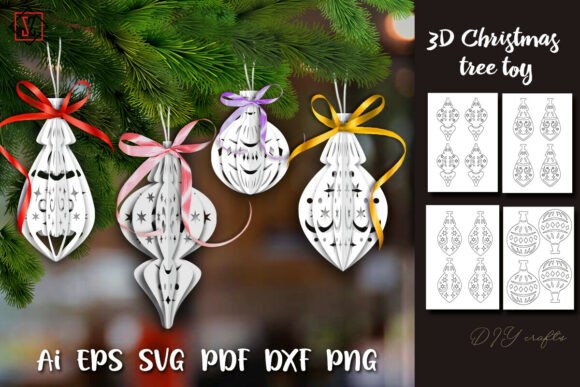
From a technical standpoint, the success of this project hinges on how well the applique design elements translate. The name implies a layered effect, which is excellent for adding depth. However, not all embroidery machines handle complex applique with equal ease.
When evaluating the stitch density, you want to ensure that the satin stitches defining the edges of the tag are tight enough to prevent fraying but not so dense that they pucker the fabric. In my experience, designs that mimic laser-cut paper often suffer if the underlay stitches are too aggressive. If you are using this on fabric texture like denim or flannel, you must adjust your stabilizer choice accordingly. A cut-away stabilizer is likely necessary for garments that will undergo frequent washing, ensuring the design retains its shape and doesn’t distort over time.
The thread colors you choose will dramatically alter the final aesthetic. While a classic red and green combo is traditional, consider using metallic gold or silver threads for the outline to enhance the "gift tag" illusion. This small change can make a standard embroidery project look significantly more expensive. Conversely, using a monochromatic scheme (e.g., white thread on cream fabric) creates a subtle, tonal look that appeals to minimalist buyers.
Where to Use With Caution
No design is universal, and there are specific scenarios where this 3D Laser Cut Christmas Gift Tag might struggle:
- Small Hoop Sizes: If the design contains tiny lettering or intricate cut-out details, attempting to shrink it down to fit a 4x4 inch hoop may result in lost definition. Always inspect small details at full scale before committing to production.
- Stretchy Fabrics: Avoid placing this on highly stretchy materials like spandex blends unless you use a strong tear-away or water-soluble stabilizer. The rigid nature of a "tag" design can fight against the elasticity of the fabric, leading to puckering.
- Dense Stitch Areas: If you plan to combine this with other heavy fill stitches nearby, be mindful of the total stitch count. Too much density in one area can make the fabric stiff and uncomfortable, particularly on apparel worn directly against the skin.
- Curved Surfaces: While caps and hats are popular merchandise, flat geometric designs can sometimes look distorted on curved surfaces. Test this on a sample cap first to ensure the perspective remains pleasing.
Design Notes for the Professional Maker
Before you upload this file to your machine and start churning out personalized gifts, take these steps to ensure a professional finish:
- Test on Scrap Fabric: Never assume a design will behave perfectly on your final material. Run a test stitch on a scrap piece of the same fabric type to check for tension issues and color contrast.
- Check Black and White Mockups: Convert the design to grayscale in your software. This helps you see if the contrast between different stitch types (like satin stitch vs. fill stitch) is distinct enough. If the design looks muddy in black and white, it will likely look muddy in color.
- Confirm Licensing: As a commercial embroidery user, you must verify the license terms provided with the 3D Laser Cut Christmas Gift Tag. Some graphics allow unlimited commercial use, while others restrict the number of finished items you can sell. Protect your business by reading the fine print.
- Stabilizer Selection: Match your stabilizer to the weight of your fabric. Light fabrics need light stabilizers; heavy fabrics need robust support. This is the single most important factor in preventing distortion.
Final Verdict: Value and Buyer Engagement
Does 3D Laser Cut Christmas Gift Tag justify its place in your design library? Absolutely. It hits the sweet spot between trendy and timeless. It offers the visual intrigue of a laser-cut accessory without the expense of actual hardware, making it an accessible yet high-value addition to any handmade product line.
For the creative entrepreneur, this design solves a common problem: how to make mass-produced-looking items feel unique and artisanal. By incorporating this embroidery file into your offerings, you signal to customers that you care about the details. It enhances product value by adding a layer of complexity that cheap, screen-printed alternatives cannot replicate.
Whether you are creating a limited-edition holiday collection or adding a seasonal flair to your year-round inventory, this design provides a reliable, professional foundation. It is sturdy, visually appealing, and adaptable. Just remember to respect the technical limitations of your machine and fabric, and you will find this finished product concept to be a standout performer in your shop.