Review: 3D Camera Photo Boxes Laser Cut Bundle
As a designer who spends more time than I care to admit staring at stitch charts and testing fabric samples, I approach every new digital asset with a healthy dose of skepticism. We are all bombarded with "viral" designs that look stunning on a screen but fall apart the moment they hit the hoop. That is why I took a close look at the 3D Camera Photo Boxes Laser Cut Bundle. This isn't just another generic icon; it is a layered design concept that bridges the gap between laser cutting precision and machine embroidery aesthetics. For those of us running small businesses or creating personalized gifts, understanding how this translates from a digital file to a physical product is crucial.
First Impressions: Mood and Visual Personality
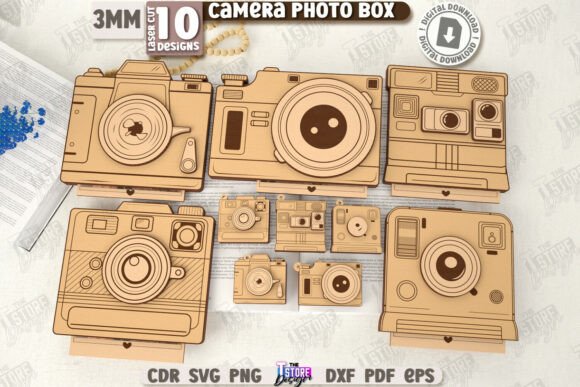
The immediate appeal of this bundle lies in its thematic cohesion. It captures a nostalgic yet modern vibe, perfect for photography enthusiasts, content creators, or anyone who values memories. The visual personality is clean and structured. Unlike organic, free-flowing floral designs, this machine embroidery design relies on geometric clarity. When you look at the preview files, you can see how the layers are intended to interact. It creates depth without relying solely on color gradients, which is a smart move for embroidery where thread texture does the heavy lifting.
For an Etsy seller or a crafter looking to expand their catalog, this design offers a unique selling proposition. It is not merely a picture of a camera; it is a structural element. The concept of a "photo box" implies storage, preservation, and display. This emotional hook is powerful. When a customer sees a finished product featuring this design, they aren't just buying a decorative item; they are buying into the idea of preserving moments. This adds a layer of perceived value that simple logos often lack.
Real-World Application: Where Does It Fit?
I tested the mental application of this design across several common product categories to see where it truly shines. The versatility of the Laser Cutting aspect combined with embroidery potential opens up some interesting hybrid possibilities, though we will focus primarily on its strength as an embroidery project.
- Custom Apparel: On a sweatshirt or t-shirt, this design works exceptionally well as a chest pocket placement or a centered back print. The structured lines of the camera body provide a nice contrast to the softness of cotton or fleece. It feels professional and intentional, rather than like a random clip-art stamp.
- Baby and Nursery Items: There is a surprising fit here for baby clothes or nursery decor. A stylized camera box can represent "capturing milestones." Imagine this embroidered on a muslin blanket or a onesie. The rounded corners typical of these box designs soften the technical look of a camera, making it friendly for infants. It serves as a great personalized gift for new parents who love photography.
- Tote Bags and Aprons: For the creative entrepreneur, a tote bag design featuring this bundle is a no-brainer. Photographers, artists, and makers often carry their tools in tote bags. Embroidering this onto canvas or denim adds durability and style. Similarly, on a kitchen towel or apron, it appeals to the home cook who enjoys food photography—a trendy niche right now.
- Accessories: Caps and hats present a different challenge. The curvature of a cap requires a design that doesn't get lost in the distortion. If the bundle includes smaller variations or simplified versions, they could work beautifully as an embroidered patch sewn onto a baseball cap. However, larger, multi-layered versions might struggle on curved surfaces unless the digitizing is exceptionally precise.
Technical Considerations and Stitch Clarity
Let’s talk about the mechanics. Any experienced embroiderer knows that the devil is in the details. The success of this digital embroidery file depends heavily on how the digitizer handled the transitions between elements. Since the product title mentions "Layered" and "Pop-Up Cards," I assume the design utilizes multiple layers to create a 3D effect. In embroidery, this often means a combination of satin stitch for outlines and fill stitch for solid areas.
One critical aspect to evaluate is stitch density. If the design attempts to replicate fine lens details or tiny text on the camera body, it risks becoming too dense, leading to thread breaks or puckering, especially on lighter fabrics. Conversely, if the details are too sparse, the design may look flat and lose the "box" illusion. As a reviewer, I advise checking the black-and-white mockups of the file first. This strips away the distraction of thread colors and allows you to judge the balance of negative space versus filled area.
The use of running stitch for subtle shading or texture within the box layers would be a brilliant touch, adding realism without increasing bulk. If the file includes these varied stitch types, it elevates the piece from a basic decoration to a high-end craft business item. It demonstrates craftsmanship, which directly impacts customer trust and willingness to pay a premium price.
Fabric and Stabilizer Choices
To achieve the best result with this design, fabric choice is paramount. While it looks good on paper, textured fabrics like heavy waffle-knit towels or loose-weave linens can distort the sharp lines of the camera box. Smooth-to-medium weight fabrics like cotton twill, denim, or stable knits are ideal. They provide a consistent surface for the needle to penetrate, ensuring the thread colors pop and the shapes remain crisp.
Stabilizer selection cannot be overlooked. Because this design likely has a moderate footprint, a cut-away stabilizer is recommended for garments that will undergo frequent washing, such as custom apparel or baby items. This ensures the integrity of the stitches remains intact over time. For temporary projects like holiday embroidery cards or one-time gifts, a tear-away might suffice, but always test on scrap fabric first to confirm stability.
Commercial Viability and Branding
For those asking, "Will this sell?" the answer is nuanced. This design fits perfectly into the current market trend of personalized, meaningful goods. It is not just a decoration; it is a statement. For a boutique branding effort, using this bundle allows you to position your shop as thoughtful and detail-oriented. It appeals to a specific demographic—people who appreciate analog aesthetics in a digital world.
However, differentiation is key. Simply printing this design on a blank mug or shirt is not enough. The value comes from how you present it. Use printable mockups that show the design in context—perhaps next to actual film cameras or photo albums. Highlight the "handmade" aspect. Emphasize that each item is carefully stitched, adding a human touch that mass-produced merchandise lacks. This narrative boosts buyer engagement and helps justify higher price points.
Final Verdict: A Strong Asset for the Right Project
The 3D Camera Photo Boxes Laser Cut Bundle is a versatile and visually appealing asset. It succeeds because it combines a popular theme with a structural design language that translates well to thread. It is suitable for a wide range of applications, from sweatshirt embroidery to baby embroidery, provided the digitizing quality is sound.
Before purchasing or integrating this into your workflow, remember to check the licensing terms. Ensure you have the rights to sell finished products if that is your goal. Test the design thoroughly on your target fabric. Pay attention to how the hoop size constraints affect the final output. And most importantly, trust your eye. If the design feels balanced and clear when stitched, it will resonate with customers. This bundle is not just a file; it is a foundation for creating memorable, high-quality handmade products that stand out in a crowded marketplace.