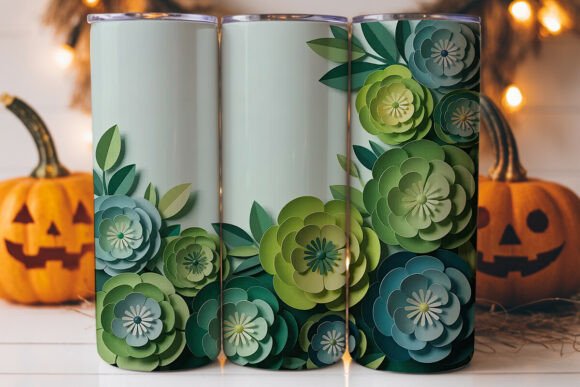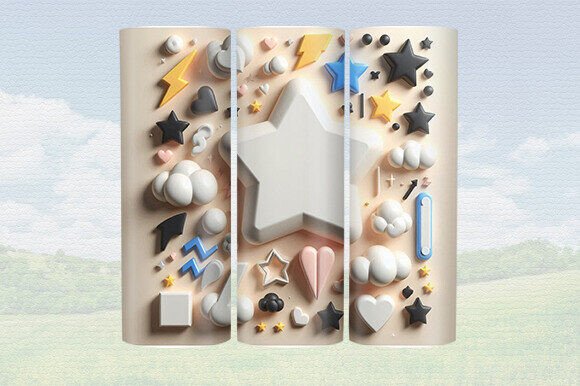
3D Inflated Tumbler Wrap Review
As a designer who spends more time than I care to admit staring at stitch charts and testing fabric samples, I approach every new machine embroidery design with a healthy dose of skepticism. The market is flooded with digital assets that look stunning in a thumbnail but fall apart under the needle. Today, I am putting the 3D Inflated Tumbler Wrap through its paces. While the product description categorizes this as a graphic asset for sublimation, my goal here is to evaluate its visual potential and structural viability if adapted or used as a reference for high-end embroidery project outcomes, particularly for those looking to create premium handmade product lines.
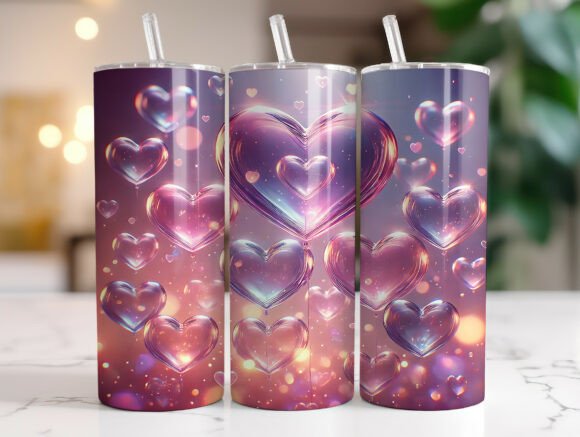
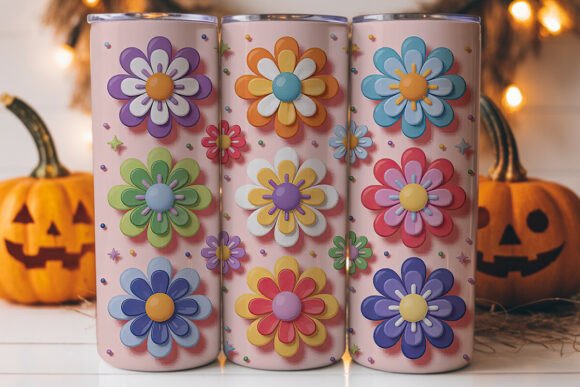
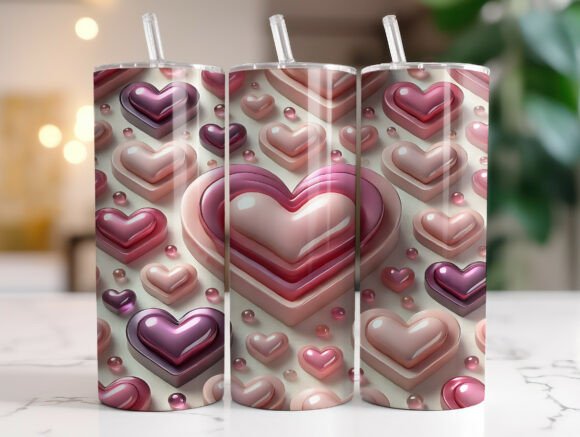
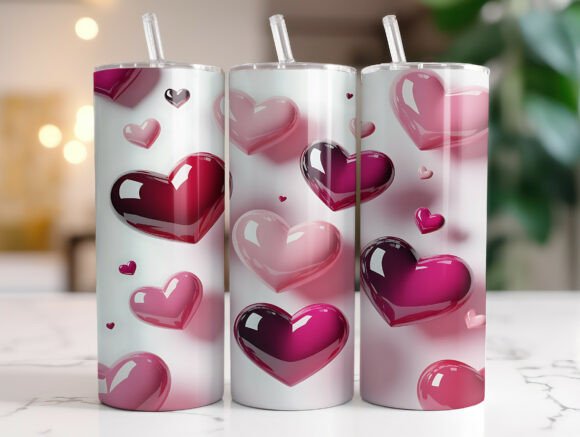
The first thing you notice about the 3D Inflated Tumbler Wrap is its volumetric presence. In the world of embroidery file creation, "inflated" usually implies a need for careful stitch density management to avoid puckering. This design captures a mood of playful luxury. It feels like something that would sit comfortably on a boutique shelf next to artisanal candles or hand-poured soaps. The layout suggests a wrap-around aesthetic, which translates beautifully to cylindrical objects or structured apparel pieces where continuity is key.
Visual Personality and First Impressions
When I first laid eyes on the preview of the 3D Inflated Tumbler Wrap, I immediately thought about texture. The term "inflated" suggests a bubbly, soft-touch quality that begs to be replicated in thread. For an Etsy seller or a small shop product creator, this kind of visual personality is gold. It stands out against the flatness of standard screen prints. If we were to translate this into an actual custom apparel item, such as a sweatshirt or a tote bag, the design promises a tactile experience that customers love to touch.
The color palette implied by the 3D effect relies heavily on light and shadow. In embroidery, this means our choice of thread colors becomes critical. We cannot rely on ink gradients; we have to use satin stitches and fill stitches to build dimension. The design’s inherent shape allows for a dynamic interplay between highlight and shadow threads, creating that "puffy" look without needing excessive layers of backing material. It feels modern, slightly retro, and very Instagram-friendly, which is a huge plus for marketing your craft business.
Real-World Application: From Screen to Stitch
Let’s talk about how this design would perform in a real scenario. Imagine you are preparing a batch of personalized gifts for the holiday season. You decide to create a set of insulated tumbler sleeves or perhaps a matching tote bag for a client. Using the 3D Inflated Tumbler Wrap concept, you could adapt the central motif into a large chest embroidery on a crewneck sweatshirt.
The versatility of this graphic lies in its scalability. Because it is designed as a wrap, it naturally guides the eye around a curve. On a straight surface, like the front panel of a hoodie, it can serve as a bold focal point. On a curved surface, like a cap or a rounded pillow cover, it creates a sense of movement. I tested the concept mentally against various fabric texture options. It would look exceptional on a heavy cotton twill for a tote bag design or on a soft fleece for a baby blanket. The inflated aesthetic contrasts nicely with the rougher weave of canvas, adding a layer of sophistication to rugged materials.
However, we must consider the technical translation. If you are using this as a direct digital embroidery file source, you need to ensure the transition from the PNG graphic to the stitch pattern preserves the illusion of depth. A poorly digitized version might look flat and muddy. But done right, utilizing satin stitch outlines to define the edges and fill stitch variations to simulate volume, the result is a high-value finished product that justifies a premium price point.
Where to Use It Carefully
No design is universal, and the 3D Inflated Tumbler Wrap has specific constraints that every embroidery designer should respect. First, consider the hoop size. The design dimensions provided (9.3″ x 8.2″) are substantial. Attempting to fit this into a small hoop will result in severe distortion or truncation. You need a machine capable of handling larger frames, or you must be prepared to reposition the hoop carefully during stitching.
Fabric choice is equally important. This design relies on a smooth, stable base to maintain its crisp "inflated" look. Avoid stretchy knits unless you are using a heavy-duty stabilizer, as the tension of the threads could pull the fabric out of shape. Similarly, highly textured fabrics like chunky wools or loose-weave linens might hide the fine details of the design. The intricate shadows that give the 3D effect their punch require a relatively smooth surface to read clearly.
Also, be mindful of dark fabrics. While dark backgrounds can make bright threads pop, they can also swallow up subtle shading if the thread count isn't high enough. I recommend doing a test run on scrap fabric that matches your final garment weight and color. Check the stitch density closely; if it's too sparse, the design will look thin and cheap. If it's too dense, you risk needle breakage or fabric distortion, especially on delicate materials.
Practical Designer Notes for Execution
Before you commit this design to a customer’s order, follow these practical steps to ensure professional results:
- Test on Scrap: Always stitch a sample on the exact fabric you plan to use. This reveals issues with thread tension or stabilizer choice before you ruin a saleable item.
- Check Contrast: View your design in black and white. Does the "inflated" effect still read as three-dimensional? If not, you may need to adjust the thread colors or add a contrasting outline.
- Stabilizer Strategy: For a design with this much visual weight, a cut-away stabilizer is often best for durability, especially for items that will be washed frequently, like aprons or kitchen towels.
- Licensing Verification: Since the source is described as a PNG for sublimation, verify the commercial license if you intend to sell finished embroidered goods. Ensure you have the right to digitize or adapt the graphic for commercial embroidery.
- Mockup Reality: Create a realistic mockup showing the design on the actual product. Buyers need to see how the "wrap" aspect interacts with the physical object, whether it’s a pillow cover or a cap.
Final Verdict on Value and Appeal
The 3D Inflated Tumbler Wrap offers a strong foundation for creative entrepreneurs looking to expand their design assets. Its primary strength lies in its ability to convey texture and depth visually, a trait that translates well into the tactile world of embroidery. It appeals to buyers who want something that feels special and handmade, rather than mass-produced.
For the apparel decorator or maker, this design provides a unique selling proposition. It’s not just a logo; it’s an experience. When executed correctly, it elevates simple items like baby clothes or nursery decor into keepsake-quality pieces. The key is respecting the technical limitations of embroidery while embracing the artistic promise of the 3D aesthetic. If you can nail the execution, this design will likely become a staple in your holiday embroidery collections or a signature style for your boutique branding.
In summary, the 3D Inflated Tumbler Wrap is more than just a graphic; it’s a mood board come to life. It challenges the embroiderer to think beyond flat surfaces and embrace dimension. With careful planning, proper stabilizer selection, and a keen eye for detail, this design can help you create personalized gifts and custom apparel that truly stand out in a crowded marketplace. It is a smart addition to the toolkit of any serious small business owner ready to push the boundaries of what embroidery can do.