3D Fall Wall Sign Laser Cut Review
As a designer who spends half my life staring at stitch charts and the other half trying to sell handmade goods online, I don’t just buy embroidery files—I vet them. I look for designs that translate well from screen to fabric, hold up under scrutiny, and actually add value to a finished product. Recently, I pulled 3D Fall Wall Sign Laser Cut out of my library to see if it had the legs to be a staple in my seasonal collection. This is a digital file intended for laser cutting, but as many of us know, the line between laser-cut applique and embroidered accents is often blurred in creative workflows. Here is my honest take on how this design performs when you put it to work.
The First Impression: Mood and Visual Personality
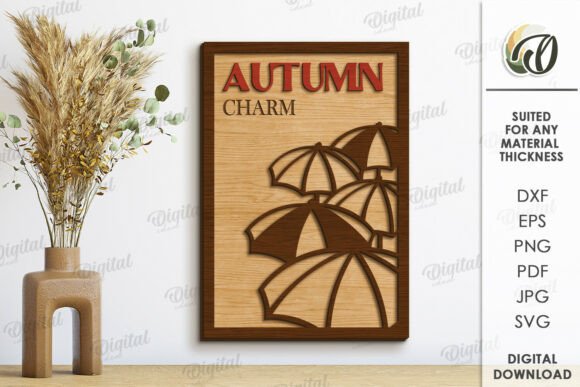
When you first open the zip folder containing the SVG, DXF, and EPS files, what strikes you is the clean geometry. The design mimics a rustic, layered wall sign—a classic trope in farmhouse decor. It screams cozy, inviting, and unmistakably autumnal. For designers targeting the Etsy seller or small shop owner demographic, this visual language is gold. It doesn’t try too hard; it relies on recognizable shapes that instantly communicate "fall" without needing excessive text or clutter.
The layout feels balanced. There is a central focal point surrounded by supporting elements that suggest leaves, pumpkins, or perhaps a banner area. It’s not overly intricate, which is both its strength and its limitation. It creates a mood of warmth and hospitality, making it perfect for home decor items like pillow covers, kitchen towels, and tea towels. It feels like something you’d hang above a mantel or pin onto a tote bag while heading to a farmers market.
Real-World Application: Where Does It Shine?
I took this design into my studio to test it across several common products. The versatility here is notable, provided you understand the medium. Since this is primarily a laser engraving and graphics asset, its primary use case involves cutting layers of felt, leather, or heavy cardstock to create an applique base. However, for those of us in machine embroidery, the potential lies in using these cut pieces as guides or backing for stitched details.
Imagine creating a custom sweatshirt embroidery piece where the background is a laser-cut felt layer in burnt orange, with the word "FALL" or a pumpkin motif stitched directly over it using satin stitches. Or consider a tote bag design where the main graphic is a laser-cut patch sewn onto canvas. This approach adds dimension that flat embroidery alone sometimes lacks. The 3D effect mentioned in the title comes from layering these cut pieces, giving your handmade product a premium, boutique feel that customers are willing to pay more for.
It also works beautifully for personalized gifts. A baby blanket with a laser-cut applique border stitched down can become a cherished nursery item. For holiday embroidery projects, this design provides a solid foundation that elevates a simple craft fair product into something that looks professionally branded.
Practical Design Challenges and Limitations
No design is perfect, and 3D Fall Wall Sign Laser Cut has specific areas where you need to exercise caution. Because it is a vector-based graphic meant for cutting, it lacks the inherent structural integrity of a purely embroidered file. If you attempt to digitize this directly into an embroidery machine without understanding stitch types, you might run into issues with stability.
For instance, if you are working with thin fabrics or stretchy knits, relying solely on the cut edges without adequate stabilization can lead to warping. You must use a proper stabilizer—likely a cut-away for heavier items or a tear-away for lighter ones depending on the fabric weight. Also, be mindful of the hoop size. While the design might look great on a mockup, ensure your physical hoop can accommodate the full width and height of the cut pieces without cropping important details.
Another consideration is thread color contrast. When combining laser-cut materials with thread colors, you need high contrast to make the stitching pop. On dark fabric, light-colored threads might get lost, especially if the laser-cut base is also dark. Always test your color combinations before committing to a production run.
Technical Notes for the Savvy Designer
If you plan to use this for commercial embroidery or to sell Etsy listings, there are a few technical steps you cannot skip. First, inspect the small details in the SVG and DXF files. Sometimes, complex curves in vector files can result in tiny, fragile pieces that are difficult to handle during the cutting process. Use sharp blades and appropriate speeds on your laser cutter to ensure clean edges.
Before applying this to a final product, always test the design on scrap fabric. Check the stitch density if you are adding embroidery over the cut pieces. Dense stitch areas can pucker thin materials, ruining the professional look of your finished product. I recommend running a black-and-white mockup first to check the silhouette and balance. Does the design feel too heavy on one side? Is the negative space sufficient?
Furthermore, confirm whether the design works for both personal and commercial projects. Many digital assets come with restrictive licenses. If you intend to sell the custom apparel or embroidered patches made with this design, verify that you have the right to do so. Using a design for craft business purposes without proper licensing can lead to serious legal issues.
Final Verdict: Is It Worth Your Time?
3D Fall Wall Sign Laser Cut is a strong contender for anyone looking to expand their seasonal offerings. It offers a modern twist on traditional fall motifs, leveraging the precision of laser cutting to enhance the tactile appeal of handmade goods. It is particularly effective for small shop products that benefit from a layered, dimensional look.
However, it requires skill to execute well. It is not a "print and stitch" solution. It demands planning, material selection, and attention to detail. If you are a beginner, you might find the transition from digital file to physical layered object challenging. But for experienced makers and creative entrepreneurs, this design provides a versatile canvas for creativity.
Ultimately, the value of this design lies in its adaptability. Whether you are creating a pillow cover for a holiday gift, a kitchen towel for a boutique branding campaign, or a cap for a local event, this design brings a cohesive, polished aesthetic. Just remember to respect the limitations of the materials, test thoroughly, and always prioritize quality control. In the world of handmade goods, the difference between a good product and a great one is often in the details—and this design gives you plenty of room to shine.