3D Bonsai Tree Laser Cut DIY Ornament for Creative Sellers
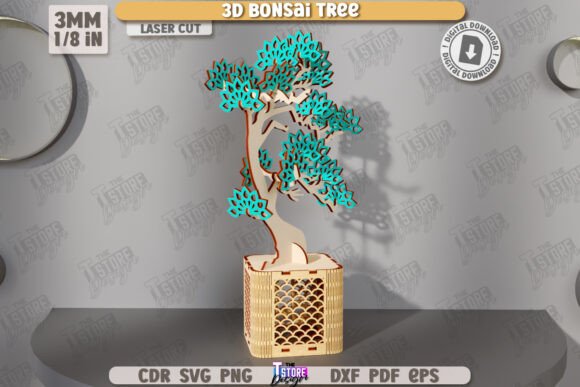
As a digital product creator who frequently evaluates design assets for online selling, I recently came across the 3D Bonsai Tree Laser Cut DIY Constructor. This graphic design asset immediately caught my eye with its intricate layout and clear instructions for laser cutting. It’s one of those designs that feels both elegant and functional, which is exactly what you need when targeting niche markets like handmade gifts or home décor on Etsy or other creative marketplaces.
First Impressions: A Niche-Friendly Design with Strong Visual Appeal
The first thing that stands out about this 3D Bonsai Tree Laser Cut DIY Wooden Constructor Layout Sakura Model Plant Pot with Bonsai Tree CNC File is the mood it evokes. The design has a calming, nature-inspired aesthetic that fits well within the modern minimalism trend. It appeals to audiences who enjoy mindfulness, indoor gardening, and do-it-yourself projects. The level of detail in the constructor layout suggests it was created by someone familiar with both design and practical application, making it a strong candidate for commercial use.
What also impressed me is how clearly marked the lines are for laser cutting—red for cut, black for engrave. That kind of clarity is rare in free or low-cost assets and makes all the difference when preparing files for clients or customers. For those using laser cutting machines, this level of precision can streamline production and reduce errors, especially when creating multiple copies for print-on-demand orders or custom merchandise.
Real-World Use Cases for Digital Product Creators
Let’s break down where this 3D Bonsai Tree Laser Cut DIY Constructor can work well across your product line:
- Etsy product listings: Ideal for wooden kits, home décor items, or plant-related accessories. Pair it with soft pastel colors and clean typography for a cohesive look.
- Printable wall art: The layered structure of the bonsai tree allows for depth in visual presentation, perfect for printable art that can be framed or used digitally.
- Canva templates: When embedded into Canva as a background element or focal point, it adds a decorative touch without overwhelming the layout.
- Cricut projects: If simplified, the design could serve as a beautiful standalone ornament or part of a seasonal holiday bundle.
- Greeting cards and invitations: The ornamental feel works especially well for birthdays, housewarming events, or spring-themed collections.
- Merchandise graphics: T-shirt, tote bag, or tumbler wraps benefit from the subtle elegance of the bonsai motif. It pairs nicely with minimalist layouts and neutral tones.
- SVG products: The vector format ensures scalability, so whether you're printing on large banners or small stickers, the design maintains its quality.
- Sublimation designs: The pattern is suitable for sublimation onto mugs, tumblers, or wood blanks, offering a unique way to sell customizable items.
This asset isn’t just limited to physical products. As a digital seller, I see potential in using it as a base for clipart bundles or digital paper packs. The Sakura model and plant pot details add enough personality to stand alone but remain flexible enough to integrate into larger compositions.
Product Presentation Tips for Online Sellers
When considering how to present this 3D Bonsai Tree Laser Cut DIY Constructor in an online shop, there are several key points to address:
- Mockup previews: Create high-quality mockups showing the final assembled product. These help buyers visualize the result before purchasing, increasing trust and conversion rates.
- Thumbnail appeal: Use a clean, focused version of the design in thumbnails. Avoid overcrowding with too many elements—let the bonsai tree be the hero image.
- Listing images: Showcase the design in various applications—wooden kits, printed posters, or even digital downloads. This demonstrates versatility and value.
- Bundle strategy: Consider packaging it with complementary assets like Japanese-inspired fonts, floral borders, or other plant-based illustrations for a full design package.
- Seasonal collections: Tie it into spring or Easter themes, emphasizing growth, renewal, and handcrafted charm.
For brand consistency, ensure that the color palette and font pairings align with your existing product line. I recommend pairing the design with a serif or script font for a more refined look, while sans-serif options might suit a more contemporary audience. Handwritten styles could add a personal touch if your brand leans into the “handmade” vibe.
Where This Asset Shines and Where to Be Careful
The 3D Bonsai Tree Laser Cut DIY Constructor works best in larger formats where the fine details can breathe. Think of it for product mockups, themed bundles, or decorative layouts. Its ornamental style complements botanical or zen-themed shops and can enhance the perceived value of your offerings.
However, there are a few areas where caution is needed:
- Tiny sticker details: The complexity of the design may not translate well to small sizes. Simplify or focus on specific parts of the tree for better results.
- Overly complex layouts: Don’t try to fit too much into one file. Stick to one main element per layer unless you’re targeting advanced crafters.
- Low-resolution prints: Always verify PNG transparency and SVG cut quality, especially if you plan to sell printable products or merchandise graphics.
- Crowded thumbnails: Keep your listing images uncluttered. Let the design speak for itself with subtle branding or text overlays.
- Dark backgrounds: Test how the engraved black lines appear on darker surfaces. Adjust contrast or lighting in your mockups accordingly.
- Clean cutting lines: While the red and black line system is helpful, double-check the paths in Cricut or Silhouette software to avoid misalignment during actual cuts.
Practical Seller Notes Before Publishing
Before adding this asset to your marketplace listings, here are some real-world checks I always perform:
- Test the design on real mockups: Try it on different materials like wood, fabric, and ceramic to see how it performs in each context.
- Preview it as a marketplace thumbnail: Does it stand out? Is the visual hierarchy clear? Make sure the design doesn’t get lost in the clutter of your shop.
- Check white and dark backgrounds: This helps determine if the asset needs adjustments for optimal visibility across different uses.
- Test print colors: Especially important if you're planning to offer it as a printable file or include it in planner stickers or nursery prints.
- Verify PNG transparency: If the design includes layered elements, confirm that transparency is preserved to maintain a professional appearance.
- Inspect SVG cut quality: Run through a sample cut to ensure the machine follows the lines accurately and that the final piece is structurally sound.
- Confirm file resolution: High-resolution files are essential for any print-on-demand service or commercial design intended for resale.
- Organize files clearly: Present your customers with well-labeled folders and instructions. Clarity builds customer satisfaction and reduces support requests.
- Font pairings: Test the design with different font styles—serif, sans serif, script, handwritten, and display—to find the most appealing combinations.
- Commercial licensing: Always check the terms of use. Ensure the 3D Bonsai Tree Laser Cut DIY Constructor comes with a valid commercial license before publishing finished products.
Final Thoughts for Commercial Design Integration
Overall, the 3D Bonsai Tree Laser Cut DIY Constructor is a solid addition to any digital product creator’s toolkit. Its blend of craftsmanship and simplicity makes it adaptable across a wide range of graphic design assets, from laser cutting projects to social media templates. Just be mindful of the design’s intricacies and limitations when scaling for different platforms and audiences.
If you're building a collection around natural themes, mindfulness, or Japanese-inspired aesthetics, this asset will help elevate your creative marketplace offerings. But remember, no single design should be dropped into every project without testing—it's about knowing your audience and matching their expectations with the right visuals.
So, before you publish, take the time to test it out. Whether you're working on design bundles, digital downloads, or brand identity pieces, ensuring the asset looks sharp and functions well is key to long-term success.