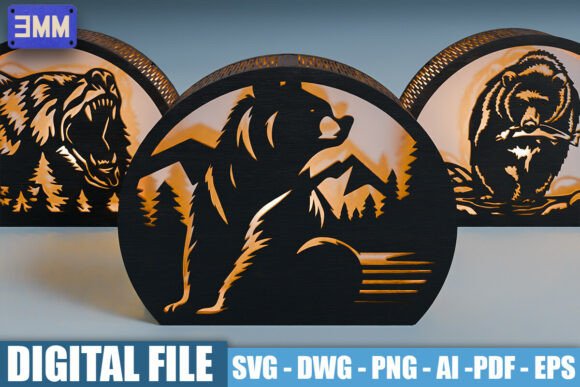
3D Bear Lantern Laser Cut Files: A Design Review for Real Projects
As an embroidery designer who regularly evaluates digital files for real-world use, I approach each new design with a mix of curiosity and critical thinking. The 3D Bear Lantern Laser Cut Files caught my attention not just for their visual charm but for the potential they hold in both personal and commercial projects. Here’s how they stack up when tested against the realities of embroidery work.
First Impressions: A Bold, Playful Theme
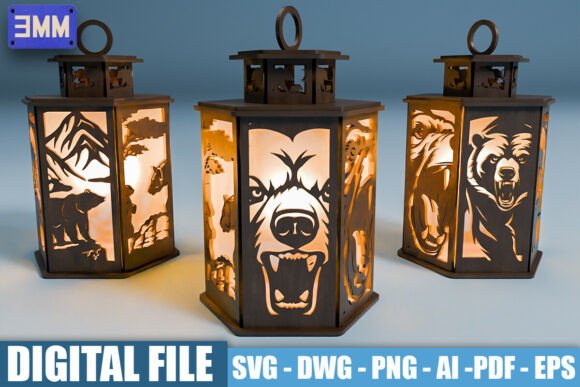
The moment I opened the digital embroidery file, I was struck by the strong personality of the bear motif. Each panel is meticulously detailed—there’s depth to the bear’s face, texture in the fur, and a clear sense of structure that hints at the 3D assembly process. The hexagonal layout suggests it's part of a larger decorative piece or gift item, which makes me think this could be ideal for holiday gifts, nursery decor, or boutique-style home accessories.
From a design standpoint, the theme feels whimsical yet refined. It doesn’t scream "childish," but instead evokes warmth and a touch of wilderness. That balance makes it versatile enough for adult-oriented products while still being suitable for kids' items like baby clothes or custom sweatshirts. The mood is cozy and inviting, which is great if you're aiming for something that feels handcrafted and heartfelt.
Real-Life Use Cases and Project Fit
I considered several scenarios where this design might appear on a handmade product. For instance, imagine using it as a central feature on a custom tote bag for a woodland-themed wedding gift or a personalized baby blanket. The level of detail works well for sweatshirt embroidery and tote bag designs, especially if you’re targeting customers who appreciate unique, nature-inspired elements.
Another idea: creating an embroidered patch from one of the panels to sew onto a cap or backpack. The bold lines and defined features translate nicely into smaller formats, though I’d advise caution with tiny details. If you're an Etsy seller or craft business owner, this could become a signature design in your line of holiday gifts or nursery decor.
Design Performance in Embroidery Projects
Embroidering the bear lanterns involves more than just stitching; it’s about assembling a 3D object. This adds a layer of complexity, but also value. The stitch density appears balanced across most areas, which is important for maintaining the shape without puckering. However, dense stitch areas may require extra care, particularly on stretchy or thin fabrics.
When considering thread colors, the design benefits from a soft palette—think muted browns, whites, and grays for a natural look. But since the product description doesn’t specify color choices, I recommend testing it with different combinations to see what best highlights the bear’s features. High-contrast thread on light fabric can really make the bear pop, whereas dark fabric might mute its impact unless you go for metallic threads or white accents.
For small shop products, the design brings a level of professionalism and uniqueness that stands out in craft fairs or online marketplaces. As a design asset, it can be used in printable mockups for digital product previews, helping you showcase finished items effectively before production.
Where to Use with Caution
While the 3D Bear Lantern Laser Cut Files are visually appealing, there are a few project types where they might not perform as well:
- Small hoop sizes: The design has intricate sections that could get lost or distorted in limited space.
- Textured or stretchy fabrics: These can challenge the precision of the applique design and cause misalignment during assembly.
- Dark fabric backgrounds: The subtlety of the bear’s features may not show up as clearly unless contrast is carefully managed.
- Curved surfaces: Applying it to a cap or curved surface could affect the final 3D form, so test fitting is key.
- Frequent-wear items: Since the lanterns are assembled, seams and connections may need reinforcement if used on products like aprons or kitchen towels.
For these reasons, I suggest avoiding the design on garments or items where durability and consistent appearance are paramount, unless you’re prepared to do some reinforcing or offer a disclaimer for the customer.
Visual Appeal and Customer Reaction
The bear’s expressive face and the overall symmetry of the hexagonal panels give it a polished, almost artisanal feel. Customers would likely respond positively to its tactile quality once assembled. It’s not just a flat design—it becomes a keepsake when transformed into a 3D object. This enhances product value and can justify a higher price point for your personalized gifts or custom apparel.
In terms of giftability, the design fits perfectly into the category of thoughtful, handmade presents. Whether it's a baby shower, birthday, or holiday item, the bear lantern adds a charming touch. Buyer engagement tends to rise when customers can visualize the final product through your printable mockup—and this design offers ample opportunities for that.
Designer Notes: Practical Tips Before You Stitch
If you're planning to use the 3D Bear Lantern Laser Cut Files in your next embroidery project, here are some tips based on experience:
- Test on scrap fabric first: Especially if you plan to sell the finished product or include it in a commercial embroidery line.
- Check thread color contrast: Dark vs. light fabric will drastically change how the design is perceived.
- Review stitch density: Areas with high fill stitch or satin stitch may require additional stabilizer to avoid distortion.
- Confirm hoop size: Since the product description doesn't specify, ensure your machine can accommodate the full size without resizing the design unnaturally.
- Inspect small details: The corners and facial expressions may need careful alignment after cutting and sewing together.
- Use proper stabilizer: Given the layered nature of the lanterns, backing stabilizer will help maintain crisp edges and prevent shifting.
- Test in black and white: See how the design holds up without color bias to better understand its structural integrity.
- Compare light and dark fabric backgrounds: This helps determine visibility and whether any adjustments are needed to the file or thread selection.
- Check licensing before selling: If you're an Etsy seller or digital product seller, confirm whether the laser cut files allow resale of finished goods or redistribution of the design itself.
Brand Consistency and Recognition
For branding purposes, the bear motif is memorable. Its stylized look can become a recognizable element in your small shop product lineup. If you're building a collection around forest animals, camp themes, or rustic aesthetics, this design would fit right in. Just ensure that the machine embroidery design aligns with your brand’s style guide and color preferences.
That said, it's a standalone design rather than a scalable logo. It won’t easily adapt to smaller scales like button embroidery or screen-printed labels, but as a featured element on a tote or pillow cover, it shines.
Professionalism and Handmade Presentation
What I love most about the 3D Bear Lantern Laser Cut Files is how they elevate the perception of a project. When customers receive a custom item featuring a 3D embroidered element, it instantly feels more professional and premium. Even if the materials are simple, the craftsmanship of assembling the lantern gives it a handmade edge that appeals to niche markets.
This is where the craft business and creative entrepreneur can benefit the most. Offering a step-by-step tutorial on how to assemble the lantern could even turn it into a DIY kit or workshop material, adding another revenue stream.
Final Thoughts for Embroidery Designers and Makers
The 3D Bear Lantern Laser Cut Files are a solid addition to any embroiderer’s design library, particularly those working with holiday gifts, personalized products, or home décor. They bring a creative twist to traditional embroidery, making them stand out in a sea of standard motifs. But like any design, they require thoughtful application and understanding of the medium they’ll be stitched onto.
Before committing to a large batch or including it in your commercial embroidery offerings, take the time to experiment. Adjust thread colors, stabilize correctly, and consider the final presentation. Once mastered, the design can add a unique flair to your finished product range and help your handmade shop gain more recognition.